









Some of Britain’s most recognisable retailers and visitor attractions are bracing for dramatic swings in their business rates bills from next April, as the 2026 revaluation lands with what has already been dubbed across the sector as “Reeves’ Christmas tax”.
Fresh analysis from global tax firm Ryan reveals a retail landscape increasingly defined by extremes, with destination-led and seasonal attractions facing some of the steepest increases, while several high-profile high street names enjoy substantial reductions.
Among the hardest hit are seasonal and experiential venues that have boomed in popularity since the last valuation date. The land used for Winter Wonderland in Hyde Park will see its rateable value jump from £1.0m to £3.75m — an increase of 275 per cent. Despite transitional relief capping the first-year rise at 30 per cent, the site’s business rates bill is still set to climb by £166,500 next year, from £555,000 to £721,500.
Lapland UK in Ascot faces an even more dramatic shift. Its rateable value has surged from £150,000 to £1.87m, an extraordinary rise of 1,147 per cent, reflecting the explosive growth in demand for immersive Christmas experiences.
London’s major visitor markets are also under pressure. Camden Stables Market will see its rateable value rise from £1.26m to £3.5m, up 178 per cent, pushing its bill up by £209,790 next April, again capped at 30 per cent. Nearby Camden Lock Market faces a similar jump, with its valuation rising from £660,000 to £2.27m, an increase of 244 per cent.
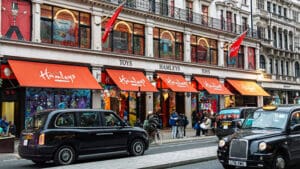
Traditional retailers are not immune. Hamleys’ flagship toy store on Regent Street is facing one of the largest increases among permanent retailers, with its rateable value rising 38 per cent and its business rates bill set to increase by £449,550 next year.
While transitional relief limits first-year increases for large properties, the protection only delays the impact. Because the caps compound annually, retailers facing the biggest valuation jumps could still see their bills more than double by the end of the rating cycle.
At the other end of the spectrum, some of the UK’s best-known retail names are emerging as clear winners. Waterstones’ Piccadilly flagship will see its bill fall by around £828,000 next year, a reduction of 45 per cent, after its rateable value dropped by £1.36m — the largest fall recorded in the analysis. Primark’s Oxford Street store at 499–517 Oxford Street is also set for a significant cut, with its bill falling by £793,000, or 30 per cent.
Alex Probyn, practice leader for Europe and Asia-Pacific property tax at Ryan, said the scale of the changes highlights just how uneven the retail landscape has become.
“Seasonal attractions like Winter Wonderland and Lapland UK have grown significantly in popularity between valuation dates, so upward pressure on their valuations was not unexpected — but the level of increase certainly was,” he said. “The key question is whether the figures properly reflect the short, seasonal nature of these operations or whether broader income assumptions have been applied.”
Probyn added that across the wider sector, the divergence is stark. “Large-format and DIY stores are seeing some of the steepest reductions as rental evidence softens, while luxury outlet retail at destinations like Bicester has surged on the back of exceptional trading.”
Prime luxury locations have been more stable. “Bond Street’s world-record retail rents have remained broadly steady between valuation dates, and that stability is clearly reflected in the draft 2026 valuations for major luxury houses,” he said.
Taken together, the revaluation underlines a retail sector increasingly split between experiential destinations and traditional formats — and sets the stage for a highly uneven impact when the new business rates bills arrive next spring.
Read more:
‘Reeves’ Christmas tax’ creates big winners and losers as 2026 business rates shake-up hits retail