












UK companies that export food or chemicals face increasing challenges. Regulations are becoming stricter, customers expect the highest quality, and even small mistakes can have serious consequences, from product recalls to delivery delays. Transporting liquids or powdered substances requires particular care, as contamination at any point can create major problems.
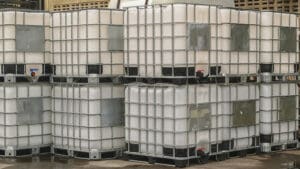
A solution that has proven effective in practice is the use of certified ibc containers. These specially designed containers are built to transport products safely and hygienically, whether it’s juice, dairy products, or chemical liquids. High-purity IBCs ensure that nothing contaminates the product and help companies meet international standards.
These containers are modular, meaning they can be adapted to different requirements. Sizes, valves, and closure systems can be configured according to the product’s needs without compromising cleanliness or safety.
Why Cleanliness and Material Quality Matter
IBC containers are ubiquitous in logistics, but not all of them meet the same high standards. For food and chemical products, two factors are especially critical: hygiene and material quality. Even minor contamination can compromise a batch, leading to product recalls, financial loss, or damage to a company’s reputation.
High-purity containers are specifically designed to prevent cross-contamination, ensuring that products reach customers exactly as they were manufactured – free from foreign substances, odors, or changes in taste. The materials used in these containers must also be chemically stable. Some plastics, while appearing neutral, can react with certain liquids over time, which could compromise both safety and product integrity.
Modern high-purity IBCs go a step further by integrating technology such as barcodes or RFID chips. This allows companies to track every container in real time, providing full visibility throughout the supply chain. For international exporters, this traceability is not just a convenience—it is increasingly required by regulators and partners to guarantee compliance and maintain trust, in line with official guidance such as the UK’s Pollution Prevention Guidance for storing and handling drums and IBCs (PPG 26).
Growing Global Compliance Requirements
Export regulations continue to tighten. For food manufacturers, this includes compliance with HACCP standards and EU food safety regulations, which ensure that products are safe for consumption and free from contamination. Chemical companies must follow rules such as REACH, which dictate not only what substances are allowed in packaging but also how they must be labeled, handled, and documented throughout the supply chain.
Beyond legal requirements, transparency in the supply chain is increasingly important. Customers, regulatory bodies, and business partners want to know exactly where a product comes from, what materials were used in production, and how it was transported. Demonstrating this level of transparency helps build trust and prevents costly misunderstandings or compliance issues.
Experience shows that companies using low-quality containers, or containers that are difficult to clean and inspect, risk delivery delays, product recalls, and potential reputational damage. High-purity IBC containers help minimize these risks. Their easy-to-clean surfaces, robust construction, and compatibility with modern storage systems make them an essential tool for exporters. At the same time, many UK exporters are already operating under significant pressure due to a widening trade gap and limited support, as highlighted in Business Matters’ reporting on small exporters and the UK trade deficit.
Real-World Examples
In the food industry, UK producers of juices, dairy products, or liquid ingredients rely on high-purity IBC containers for transportation. The containers ensure that the product’s taste, color, and quality remain unchanged, while their modular design allows for flexible volumes.
In the chemical sector, high-purity IBCs are equally essential. Companies exporting specialty chemicals need containers that are stable, leak-proof, and fully traceable. These containers meet all those requirements while simplifying work in warehouses and logistics, allowing businesses to operate efficiently without compromising safety or quality.
Efficiency in Storage and Transport
High-purity IBC containers don’t just protect the product; they also make logistics more efficient. Their stackable design saves valuable space in the warehouse, allowing companies to store larger quantities without expanding storage facilities. Standardized sizes make transport in trucks, shipping containers, or even intermodal systems much easier, reducing the need for specialized handling equipment and minimizing the risk of damage during transit.
Uniform filling and discharge systems further streamline operations. Employees can handle multiple containers with less effort, reducing labor time and the likelihood of errors. This consistency is especially important for exporters who operate on tight schedules or manage multiple product lines simultaneously.
High-purity IBCs also offer flexibility in loading and unloading. Many containers are compatible with automated or semi-automated handling systems, which can significantly speed up warehouse operations and reduce operational bottlenecks. This makes it possible to maintain a steady flow of goods, even during peak production or high-demand seasons.
By integrating storage, transport, and handling into a single, reliable system, exporters can combine safety, compliance, and efficiency seamlessly. Investing in high-quality IBC containers not only ensures smoother day-to-day operations but also reduces waste, improves supply chain reliability, and ultimately strengthens the company’s overall logistics performance.
Sustainability as an Added Benefit
Another often-overlooked advantage of high-purity IBC containers is their reusability. In the food and chemical industries, sustainability is becoming increasingly important. Durable containers that can be used multiple times reduce waste and conserve resources, making them a practical solution for companies striving to minimize their environmental footprint.
Recyclable IBCs also help companies meet environmental requirements and demonstrate responsibility toward customers and the public. By implementing a system where containers are cleaned, inspected, and reused, businesses can significantly cut down on single-use packaging and disposal costs. This not only benefits the environment but also supports long-term cost efficiency.
Furthermore, sustainability initiatives resonate strongly with partners, clients, and end consumers. Companies that visibly commit to greener practices gain trust and a competitive edge in increasingly eco-conscious markets. Clean, efficient, and sustainable operations are therefore not just an ethical choice. They are also a strategic business advantage, helping organizations stand out while contributing positively to the planet.
Conclusion
For UK food and chemical exporters, high-purity IBC containers are more than just storage units. They play a crucial role in product safety, efficient logistics, and compliance with international standards.
High-purity containers offer modular flexibility, approved materials, and easy cleaning. They ensure products reach customers safely and unchanged, while also supporting more sustainable and efficient operations. Investing in these containers builds trust, protects brand reputation, and keeps supply chains running smoothly.
Read more:
High-Purity IBC Containers: Essential for Food Safety and Chemical Exports