






Walter Olson
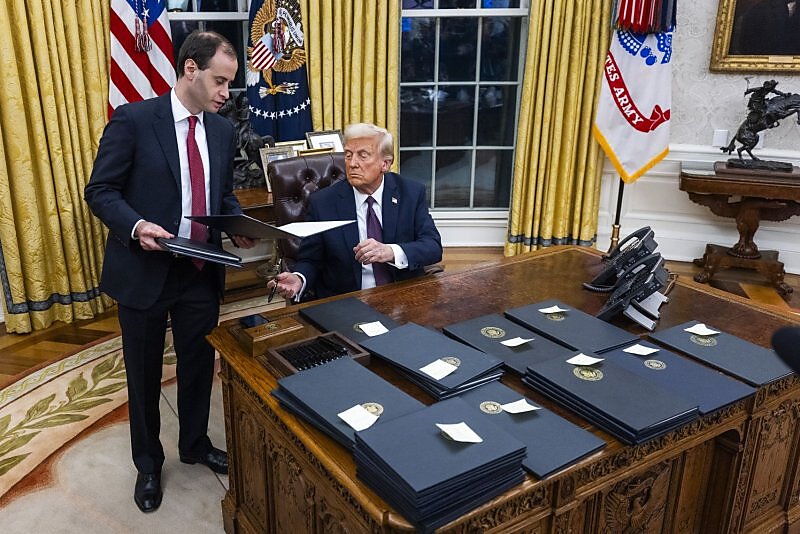
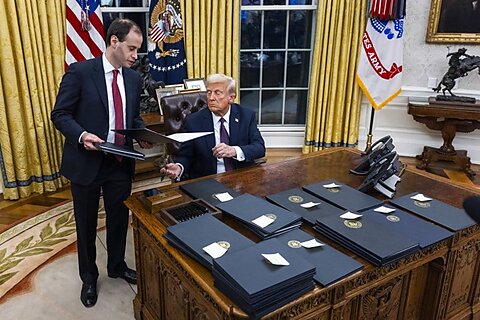
President Donald Trump continues to use his pardon powers in remarkable ways. Now he has pardoned former Honduran President Juan Orlando Hernández, who was sentenced to 45 years in prison for drug trafficking.
Cato asked me to write a statement on this development and here is what I wrote:
The most coherent explanation for pardoning Juan Orlando Hernández would be if President Trump had finally decided that the decades-long drug war is an expensive failure. But if that’s his belated insight, he should tell his appointees about it. He should tell Secretary Hegseth to call off the killing of crews on what he says are drug boats in the Caribbean. He should tell Secretary Noem that a minor marijuana charge years ago is no reason to expel someone who’s resided lawfully in this country ever since. He should tell his trade officials to back off on aiming tariffs at Canada on a ridiculous pretext related to supposed fentanyl traffic.
Also, if he’s rethinking the drug war, he might want to start pardoning low-level offenders, not just the ones backed by money and friends in high places.
The presidential pardon power can serve real and legitimate purposes, and Trump himself has used it in some deserving cases. But history will long remember his use of it to free political allies and persons who have benefited his cronies and family, and above all, to set free violent rioters who attacked the Capitol on Jan. 6, even as he steps up the use of prosecution against those who protest his own policies.
It’s a White House in which impunity is dealt out by arbitrary whim, favoritism, team politics, and “pull.” We should hope that it does not in the end give mercy a bad name.
I wrote about a different issue of pardon overbreadth last week.